

Singaporean consumers are unique, and understanding their behaviour is crucial for businesses aiming to thrive in this market.
Consumer behaviour in Singapore is influenced by various factors including cultural values, economic conditions, and technological advancements. Businesses must adapt their marketing strategies to align with these evolving trends to effectively engage with their target audience.
The Rise of E-commerce
E-commerce has become a dominant force in the Singaporean market. With a strong online presence, businesses can tap into a vast pool of potential customers. E-commerce platforms offer convenience and accessibility, making online shopping a preferred option for many consumers.
The shift towards digital payments, including online payment methods like digital wallets, further fuels this trend. Singaporean consumers expect seamless and secure transactions, making it imperative for businesses to integrate robust online payment systems.
Leveraging Consumer Data for Effective Marketing
Utilising Customer Data
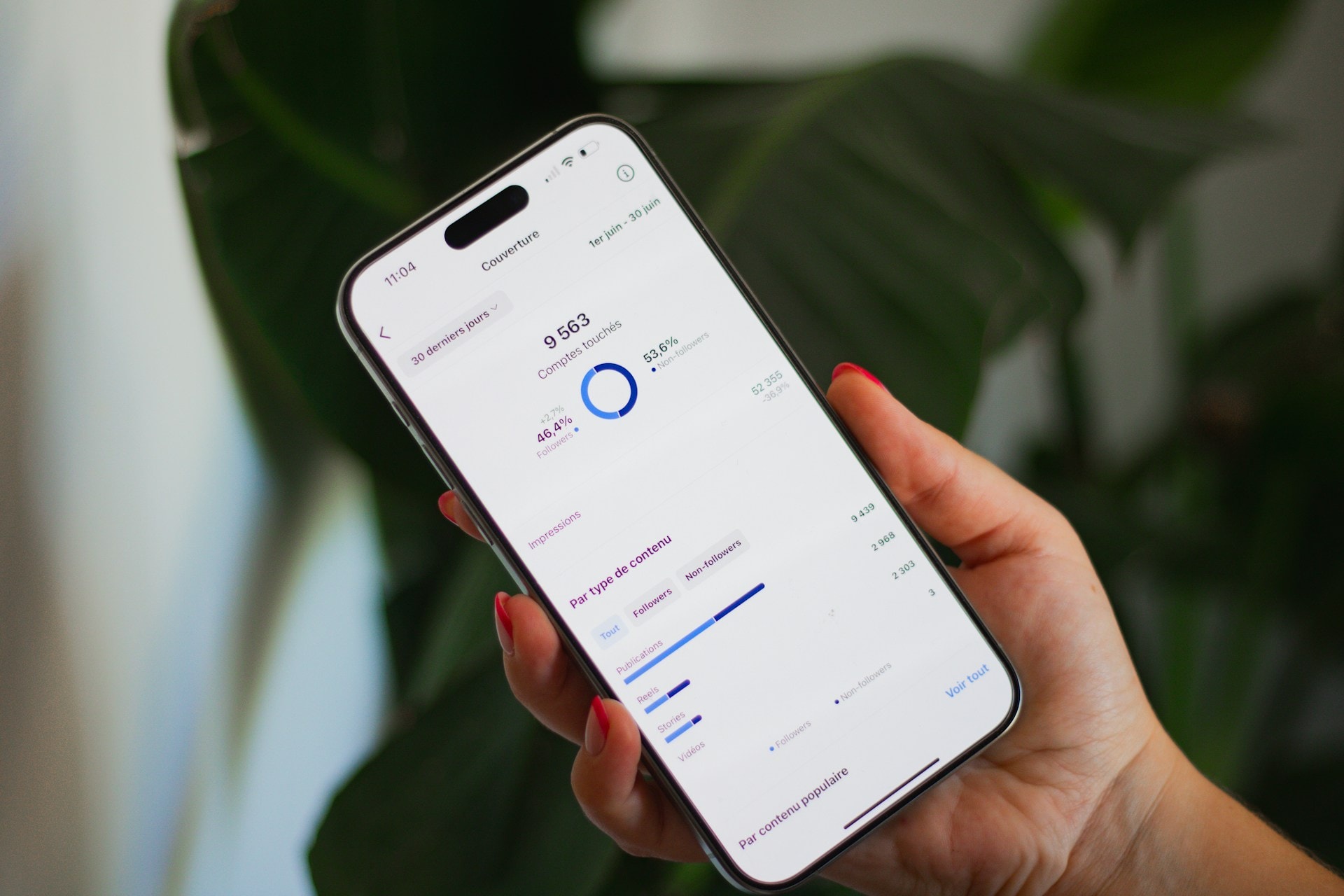
Customer data provides valuable insights into consumer preferences and behaviour. By analysing this data, businesses can tailor their marketing campaigns to better meet the needs of their customers.
Utilising customer data allows for more targeted and personalised marketing messages, enhancing consumer engagement and driving brand loyalty. Understanding consumer spending patterns and preferences enables businesses to offer competitive prices and create compelling marketing materials.
Marketing Strategies for Singaporean Consumers
To effectively reach Singaporean consumers, businesses must employ diverse marketing strategies. Social media platforms play a significant role in influencing consumer behaviour. Platforms like Facebook, Instagram, and TikTok are essential for reaching younger consumers and promoting brand visibility. Additionally, incorporating elements of health and wellness, environmental impact, and corporate social responsibility into marketing messages resonates well with eco-conscious consumers.
Adapting to Consumer Trends

Embracing Online Retail Channels
The preference for online shopping is a significant trend among Singaporean consumers. Businesses should invest in robust e-commerce platforms to capture this growing market.
Online retailers must focus on providing a seamless shopping experience, from user-friendly interfaces to efficient delivery services. The integration of digital services, such as virtual try-ons and AI-powered recommendations, can enhance the customer experience and drive sales.
Competitive Pricing and Brand Loyalty
Competitive pricing is a critical factor in attracting and retaining customers. Singaporean consumers are price-sensitive and often compare prices across different platforms before making a purchase.
Offering competitive prices and exclusive deals can boost brand loyalty and encourage repeat purchases. Additionally, businesses should emphasise their brand values and commitment to quality to build a strong connection with their customers.
Navigating the Digital Landscape

The Impact of Social Media
Social media platforms are powerful tools for influencing consumer behaviour and driving sales. Effective use of social media can increase brand visibility and consumer engagement. Businesses should create engaging content that resonates with their audience, leveraging trends and viral challenges to capture attention. Collaborating with influencers and running targeted ads can further amplify the reach of marketing campaigns.
The Importance of Mobile Devices
Mobile devices are integral to the shopping experience in Singapore. Consumers use their smartphones for browsing products, making purchases, and interacting with brands on social media. Optimizing websites and online retail channels for mobile devices is essential to provide a smooth and enjoyable shopping experience. Mobile-friendly designs and fast-loading pages can significantly impact consumer satisfaction and conversion rates.
Meeting Consumer Expectations

Health and Wellness Trends
Health and wellness are top priorities for many Singaporean consumers. Businesses that offer products or services promoting mental well-being and physical health can tap into this lucrative market. Healthy food providers, fitness apps, and wellness products are in high demand. Marketing campaigns highlighting the health benefits of products can attract health-conscious consumers and drive sales.
Environmental and Social Responsibility
Consumers in Singapore are increasingly aware of the environmental and social impact of their purchases. Eco-conscious consumers prefer brands that demonstrate a commitment to sustainability and corporate social responsibility. Businesses should incorporate sustainable practices and transparent communication about their efforts to reduce environmental impact. Highlighting these initiatives in marketing materials can enhance brand reputation and attract like-minded customers.
Future Market Trends

The Evolution of Consumer Preferences
Consumer preferences in Singapore are constantly evolving, driven by technological advancements and changing lifestyles. Staying ahead of market trends is crucial for businesses to remain competitive. Monitoring top consumer trends and adapting products and services accordingly can provide a competitive advantage. The integration of digital wallets, online payment systems, and innovative retail processes can cater to the demands of tech-savvy consumers.
The Role of Traditional Retailers
While e-commerce is on the rise, traditional grocery retailers still play a vital role in the Singaporean market. Many consumers prefer in-person services for certain products, particularly fresh produce. Traditional retailers can enhance their appeal by integrating digital elements, such as online ordering and home delivery services, to complement their physical stores. Balancing traditional and digital retail channels can cater to diverse consumer needs.
Conclusion
Adapting to the quirks of the Singaporean consumer requires a deep understanding of consumer trends and behaviour. By leveraging customer data and embracing e-commerce, businesses can create effective marketing strategies that resonate with their target audience. Social media platforms and competitive pricing play pivotal roles in influencing consumer decisions, while a focus on health, wellness, and sustainability can attract eco-conscious consumers. Staying ahead of market trends and balancing online and offline retail channels will enable businesses to thrive in the dynamic Singaporean market.